0%

As the demand for renewable energy rises, more homeowners are considering No-Panel Rooftop Solar Programs. These innovative solutions generate solar energy without traditional panels. This can be appealing for those seeking to minimize visual clutter or structural changes to their homes. However, selecting the right program requires careful thought.

Many options exist, each with unique benefits and drawbacks. It's crucial to assess energy needs, as some programs may not deliver enough power for larger households. Cost is another factor to weigh; while some solutions can be affordable, others might present hidden fees. Understanding the specifics of the technology involved is essential for making a wise choice.

Exploring No-Panel Rooftop Solar Programs can be confusing. Misinformation about efficiency and savings can lead to frustration. It’s important to research thoroughly and consider expert opinions. Taking the time to evaluate all factors will help ensure a reliable, efficient energy source for years to come.
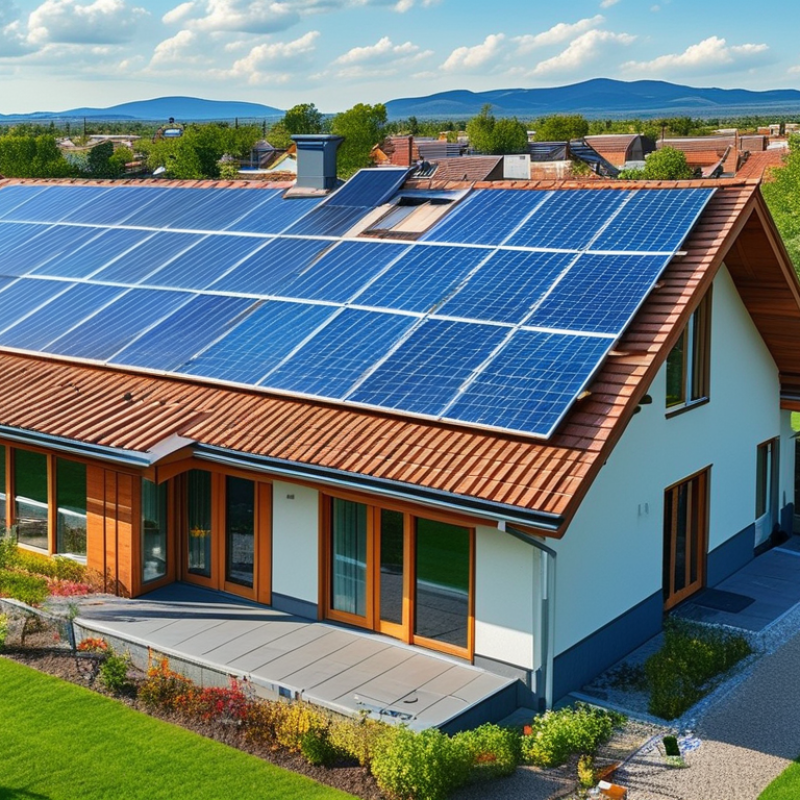
How to Choose No-Panel Rooftop Solar Programs for Your Needs?

Understanding the Basics of No-Panel Rooftop Solar Programs

Understanding the basics of no-panel rooftop solar programs is essential for homeowners. These programs allow energy generation without traditional solar panels. Instead, they often involve off-site solar farms or energy purchasing agreements. According to the Solar Energy Industries Association, about 6 million U.S. households utilize these alternatives.

Homeowners can benefit from reduced energy costs. These programs typically offer fixed rates or discounts on electricity bills. Research indicates that households could save up to 20% on energy costs annually. This financial incentive makes no-panel options attractive for many.

Consider your energy usage patterns. Understanding peak usage times can help determine the best program for you. Monitor your monthly bills for patterns. This awareness can lead to better decision-making regarding solar options. Each homeowner's needs vary, so personal research is crucial. Evaluate multiple offerings to find what best meets your circumstances. Shifting to renewable energy is a positive step, but it requires careful consideration and evaluation of available resources.

How to Choose No-Panel Rooftop Solar Programs for Your Needs?

Criteria Description Considerations
Cost Evaluating the total expenses including installation and maintenance. Compare different pricing models and financing options.
Energy Needs Understanding your household’s energy consumption to determine system size. Check past utility bills for average usage.
Installation Location Assessing space availability and sun exposure on the rooftop. Ensure there are no obstructions like trees or buildings.
Contract Terms Reviewing the conditions regarding service duration and cancellation policies. Look for flexible contract terms that suit your needs.
Performance Guarantee Checking if the provider offers a guarantee for energy output. A good guarantee can protect your investment.
Customer Support Evaluating the quality of customer service and support. Ensure you have access to help when needed.

Assessing Your Energy Needs and Consumption Patterns

When choosing no-panel rooftop solar programs, understanding your energy needs is crucial. Begin by analyzing your average monthly electricity consumption. According to the U.S. Energy Information Administration, the typical American household uses around 877 kWh per month. This figure serves as an important baseline for evaluating solar options.

Consider how your energy consumption fluctuates throughout the year. Factors include seasonal changes and household habits. For instance, families often use more energy in summer months due to air conditioning. A detailed review of past energy bills can highlight usage peaks. This information helps solar providers tailor programs to fit your patterns.

Moreover, assessing your long-term energy goals is essential. Are you aiming for full energy independence or a reduction in your energy bills? These objectives dictate the size and type of solar solution you should pursue. Using reliable resources, industry professionals suggest that consumers with higher energy demands should explore no-panel systems with greater flexibility. Reflect on how your lifestyle impacts energy consumption. Small changes can lead to significant savings.

Evaluating Available No-Panel Solar Technologies and Options

No-panel solar technologies represent a growing trend in renewable energy solutions. These options cater to various needs without the traditional constraints of solar panels. Evaluating available alternatives depends on factors like space, efficiency, and cost. One popular option is solar shingles, which blend into your roof. They can be aesthetically pleasing and functional but may not provide as much energy as conventional panels.

Battery storage systems are another significant component. They store excess energy generated during the day for use at night or on cloudy days. Understanding your energy consumption patterns is crucial when assessing these systems. Some users find it challenging to gauge their needs accurately. Tracking energy usage over a few months can help clarify requirements.

Exploring community solar programs can also be beneficial. These initiatives allow participants to share a solar array's benefits without installation on their property. However, participation in these programs might involve contracts that bind you for a specific period. Ensure you review contract terms thoroughly. Familiarity with different technologies will empower you to make informed decisions tailored to your energy goals.

Comparing Cost-Effectiveness of No-Panel Solar Solutions

When exploring no-panel rooftop solar solutions, it's essential to focus on their cost-effectiveness. According to a report from the National Renewable Energy Laboratory, innovative solar alternatives like solar shingles can provide unique benefits. These options may have a higher initial cost of around $20,000 to $25,000 compared to traditional panels. However, they can blend seamlessly with your roof, potentially increasing property value.

Another consideration is the long-term savings. The U.S. Department of Energy estimates that homeowners can save nearly $30,000 over 20 years with efficient solar options, even without large panels. Additionally, maintenance costs can be lower with no-panel systems, which are less susceptible to damage. Yet, there may be limitations, such as energy output not meeting all needs. Evaluating the specific energy demands of your household is crucial when considering these advanced solutions.

Investments in no-panel solar technologies are promising but require careful thought. Ultimately, the right choice depends on balancing upfront costs with long-term benefits. Each homeowner must reflect on their energy goals and financial situation to find the best fit.

Investigating Incentives and Financing Options for No-Panel Solar Systems

When exploring no-panel rooftop solar systems, financing and incentives are crucial. Many states offer various tax credits and rebates to make the switch more affordable. These incentives can significantly reduce the upfront costs of installation. However, the availability varies by location. It’s essential to research local programs and regulations.

Some financing options include solar loans and leases. These can help alleviate the upfront investment required for no-panel systems. With a solar loan, you can pay for your system over time, while leases often have lower initial costs. However, leasing might mean you miss out on tax benefits.

Investing in no-panel solar is not without its challenges. Not all homeowners may qualify for incentives. The efficacy of these systems can also vary based on your property’s location and roof type. Potential buyers should carefully evaluate how the local climate affects performance. It’s beneficial to contact experts who can provide tailored advice and insights.

Incentives and Financing Options for No-Panel Solar Systems

FAQS

: What are no-panel rooftop solar programs?

: No-panel rooftop solar programs allow energy generation without traditional solar panels. They often utilize off-site solar farms.

How can homeowners benefit from these programs?

Homeowners can save on energy costs. They may receive fixed rates or discounts on their electricity bills.

What percentage can households save on energy costs?

Research shows households may save up to 20% on energy costs annually with these programs.

Why is it important to assess energy usage patterns?

Understanding peak usage times helps determine the best solar program. Monitoring bills reveals useful consumption patterns.

How much electricity does an average household use?

The typical American household uses about 877 kWh per month, serving as a baseline for evaluating solar options.

What should homeowners consider for long-term energy goals?

Homeowners need to decide between energy independence or reducing bills. This influences the type of solar solution pursued.

Are no-panel solutions cost-effective?

Yes, they can be cost-effective despite higher initial costs. Long-term savings may reach nearly $30,000 over 20 years.

How does maintenance compare for no-panel systems?

Maintenance can be lower for no-panel systems, which are less likely to get damaged compared to traditional panels.

What limitations should be considered with no-panel solutions?

Energy output may not always meet all household needs. Evaluating specific energy demands is essential.

What factors should influence your choice of solar program?

Each homeowner must reflect on financial situations and energy goals. Balancing upfront costs with long-term benefits is crucial.

Conclusion

No-Panel Rooftop Solar Programs offer innovative alternatives for harnessing solar energy without the traditional solar panel installation. Understanding the basics of these programs is crucial, as they function differently and can cater to various energy needs. It’s essential to assess your individual energy consumption patterns to determine the most suitable solution.

When evaluating No-Panel Solar Technologies, consider the different options available and their respective cost-effectiveness. Potential users should also investigate any available incentives and financing options to make the transition to renewable energy more affordable. By thoroughly exploring these aspects, individuals and businesses can make informed decisions that align with their energy needs and sustainability goals.

Oliver

Oliver

Oliver is a seasoned marketing professional with a wealth of experience in driving brand success through innovative strategies and compelling content. With a deep understanding of our company’s products and services, he consistently translates complex concepts into engaging blog articles that not......