Gas & Electricity Procurement Services
Lower natural gas and commercial power costs by 10%–30% across U.S. deregulated utility markets with zero capital expenditure.
Reduce Operating Expenses with Independent Utility Brokerage
Utility expenses represent one of the most variable operating overhead costs for international corporations, industrial facilities, and commercial real estate assets operating in the United States. Many commercial enterprises default to standard utility provider rates, incurring sub-optimal tariff structures year after year.
Peak Utility Brokers serves as an independent energy advisory firm. We analyze historical load profiles, aggregated usage data, and current wholesale market conditions to negotiate competitive supply contracts across a network of over 50 top-tier supplier partners.
- Zero-Cost Brokerage — 100% Commissioned by Energy Suppliers
- Guaranteed Price Certainty via Fixed-Rate & Custom Index Contracts
- Zero Operational Disruption & Seamless Switching Management

U.S. Deregulated Energy Markets
We negotiate electricity and natural gas rates across major retail choice states and utility service territories in the North American power grid.
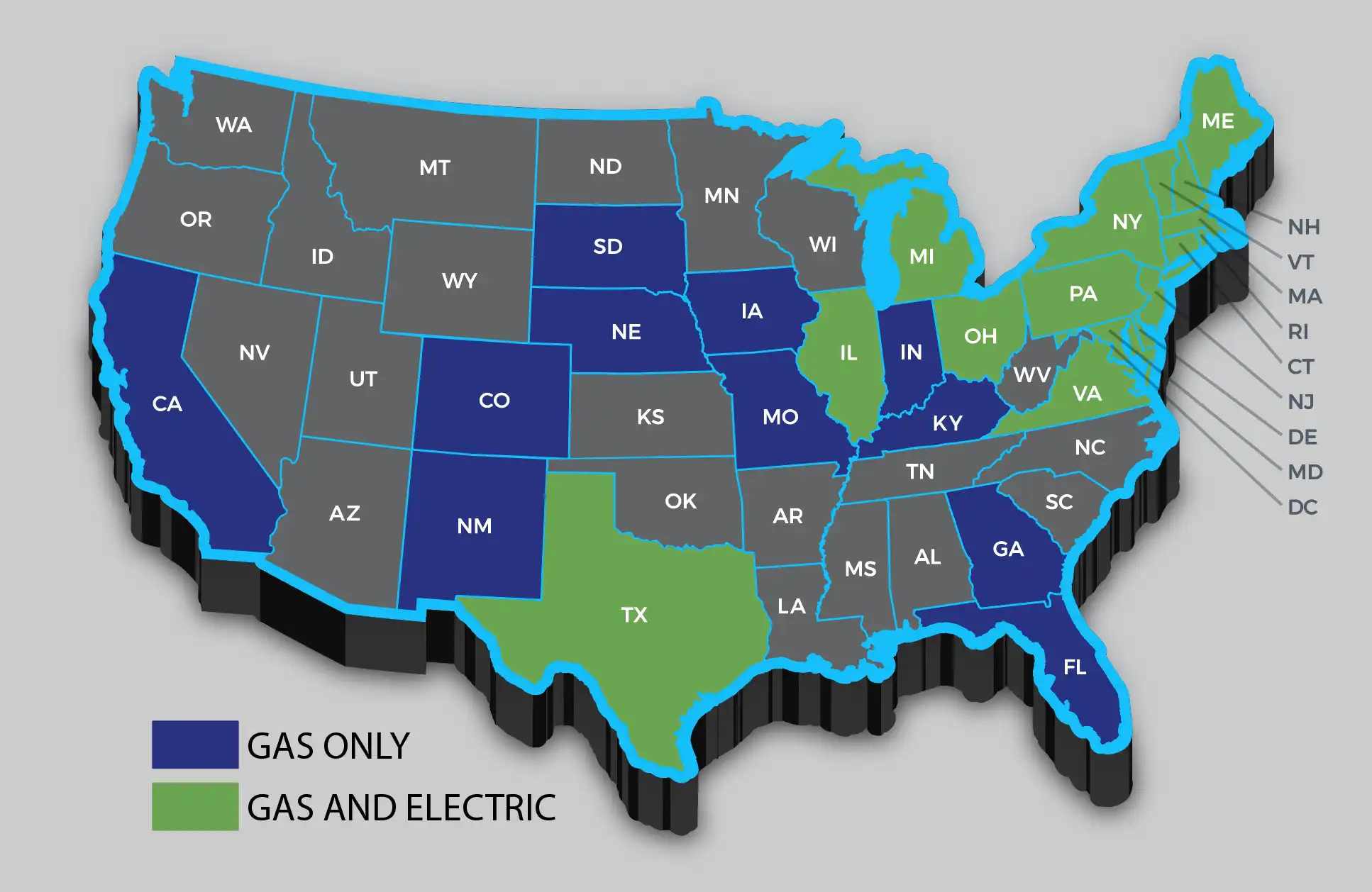
Coverage by State & Local Distribution Companies (LDCs)
ILLINOIS
Ameren Illinois (Zones 1–3), Commonwealth Edison (ComEd), Nicor Gas, Northshore Gas, Peoples Gas
TEXAS
Oncor, CenterPoint Energy, AEP Texas, Texas-New Mexico Power (TNMP), Sharyland Utilities
NEW YORK
Con Edison, National Grid, NYSEG, RG&E, Central Hudson, Orange & Rockland, National Fuel Gas
OHIO
AEP Ohio, Duke Energy, Dayton Power & Light, Dominion East Ohio, Columbia Gas of Ohio, Toledo Edison
PENNSYLVANIA
PECO Energy, PPL Electric, Duquesne Light, Columbia Gas of PA, Peoples Natural Gas, UGI Utilities
CALIFORNIA
Pacific Gas & Electric (PG&E), Southern California Gas (SoCalGas), San Diego Gas & Electric (SDG&E)
MASSACHUSETTS
Eversource (NSTAR), National Grid, Unitil, Columbia Gas of MA, Berkshire Gas
NEW JERSEY
PSE&G, Jersey Central Power & Light (JCP&L), New Jersey Natural Gas (NJNG), South Jersey Gas
MICHIGAN
DTE Energy, Consumers Energy, Michigan Gas Utilities (MGU), SEMCO Energy, MichCon
FLORIDA
Peoples Gas System, Florida City Gas, Florida Public Utilities, Central Florida Gas
MARYLAND & DC
BGE, Pepco, Delmarva Power, Washington Gas & Light (WGL), Chesapeake Utilities
ADDITIONAL STATES
CO, CT, DE, GA, IN, KS, LA, ME, MN, MO, MS, NH, NM, NC, OK, RI, SC, VA, WV, WY
Understanding Commercial Utility Billing Structure
Commercial utility billing is split into distinct components: Delivery/Distribution and Commodity Supply. Deregulation permits competitive bidding specifically on the Supply portion without altering local utility delivery infrastructure.
1. Commercial Electricity Billing Structure
Electric bills comprise two primary functional cost buckets:
- Supplier Commodity Charge (kWh): The wholesale generation rate negotiated by Peak Utility Brokers across supplier networks.
- Capacity & Peak Load Charges (PLC): Annual peak contribution metrics that determine grid reliability cost allocations for commercial profiles.
- Delivery & Transmission (T&D): Regulated tariffs set by local distribution utilities to maintain power lines and substation infrastructure.
2. Commercial Natural Gas Billing Structure
Natural gas cost structures vary based on daily capacity and volumetric demand:
- Gas Commodity Supply Rate (Therms/CCF): The raw gas commodity pricing negotiated via retail suppliers or wholesale pipeline hubs.
- Pipeline Transportation & Balancing: Interstate pipeline transfer fees and daily supply balancing surcharges.
- LDC Local Delivery Tariffs: Fixed customer charges and volumetric local pipe transport fees assessed by city gas utilities.
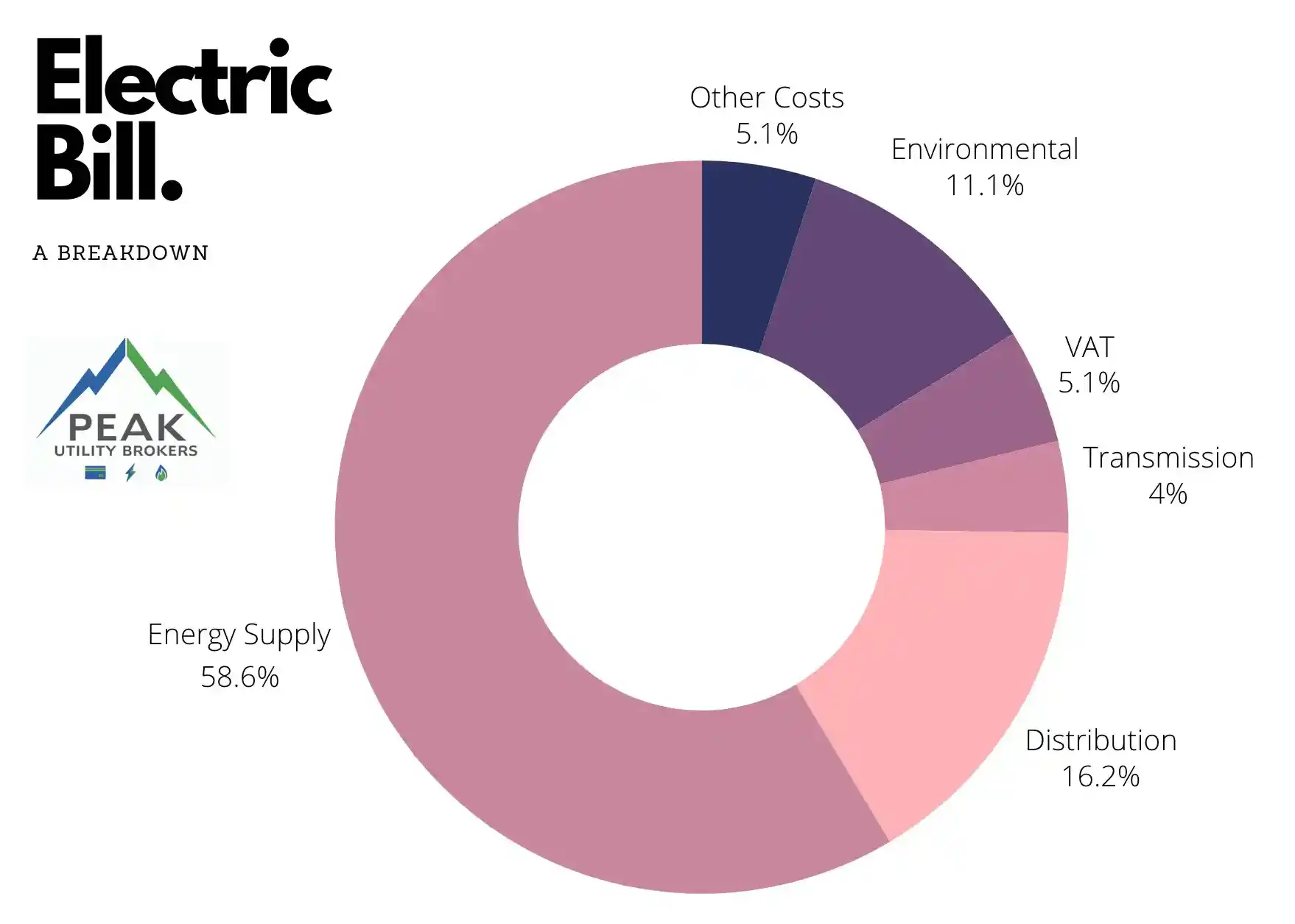
Figure 1: Electricity Cost Segmentation & Competitive Supply Margin
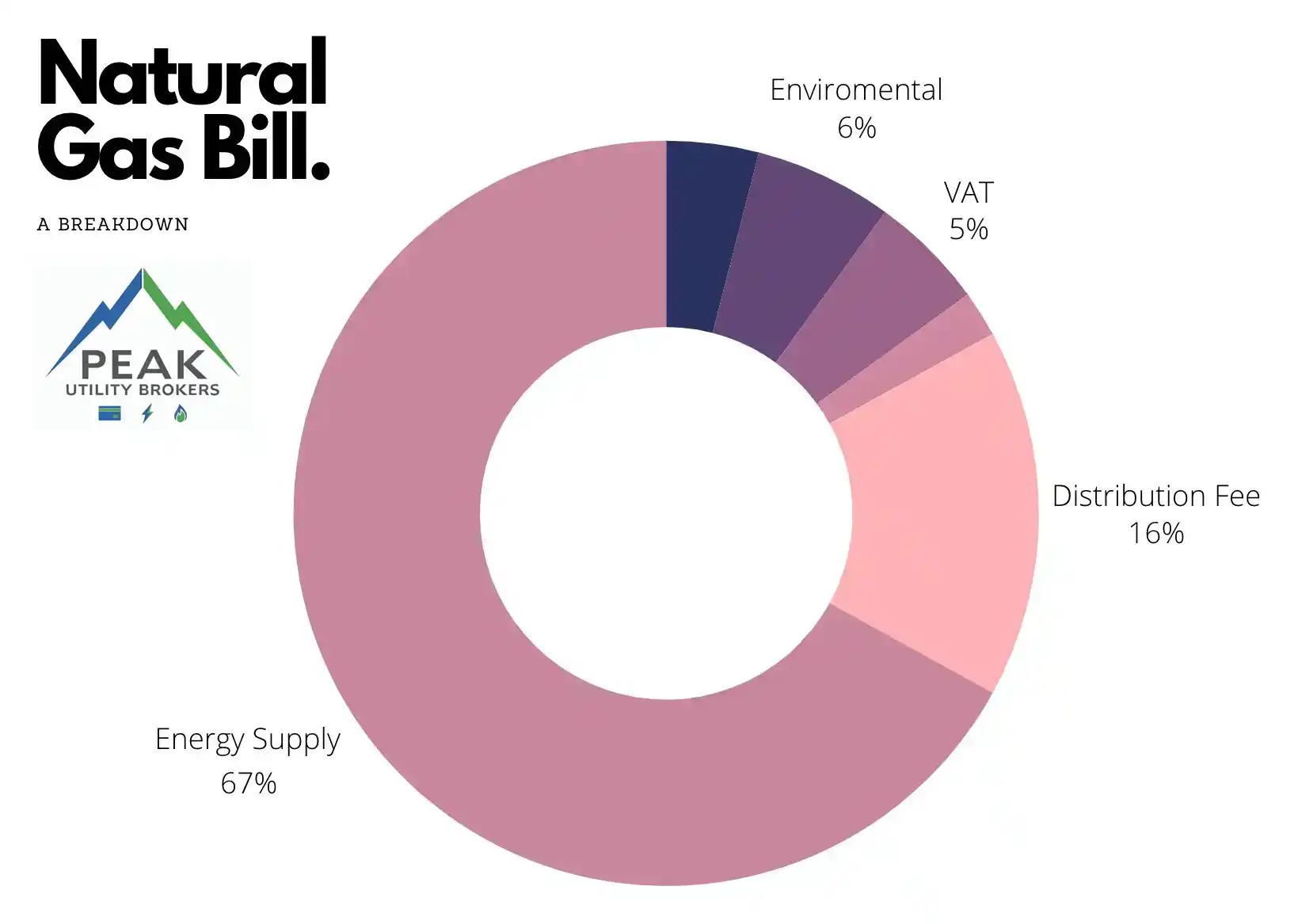
Figure 2: Natural Gas Commodity vs Distribution Tariff Allocations
Vetted Network of 50+ Retail Energy Suppliers
We leverage market competition among North America's highest-rated Energy Service Companies (ESCOs) to secure wholesale-aligned supply rates for commercial buyers.
Energy Procurement F.A.Q.
Answers to common commercial utility contracting and procurement queries.
How does energy deregulation benefit overseas enterprises operating facilities in the United States?
Energy deregulation permits commercial buyers to solicit competitive bids from independent retail suppliers rather than accepting default utility monopoly pricing. International companies managing U.S. manufacturing plants, warehouses, or commercial real estate can lock in predictable fixed electricity and gas rates to protect operating budgets from market volatility.
What documentation is required to perform a commercial utility bill audit?
To generate an accurate RFP, we require one recent monthly utility statement for each electricity and natural gas account, along with standard authorization to access 12 months of historical interval usage data from the local distribution company.
Are green energy and renewable energy certificates (RECs) available through brokerage contracts?
Yes. We aggregate fixed-rate suppliers offering 100% renewable power supply contracts backed by Green-e certified Renewable Energy Certificates (RECs) as well as carbon-neutral natural gas supply products to fulfill corporate ESG compliance mandates.
Contact Us
Ready to start saving? Reach out to our team for a free, no-obligation energy audit and custom savings proposal.